- +1 (773) 985-1869
- info@stream-rcm.com
- 14430 Ocean Point, El Paso, TX 79938
Outpatient wound care presents uniquely intricate revenue cycle challenges that demand specialized expertise. Stream RCM mitigates this complexity through a tripartite approach: certified wound care coding specialists, proprietary denial pattern analytics, and proactive account stewardship. This framework protects reimbursement, reduces costly administrative rework, and empowers your clinical staff to dedicate their full attention to optimal patient outcomes.












Our practice is structured around the specific documentation demands, coding hierarchies, and payer coverage policies that govern chronic wound treatment, debridement procedures, and advanced wound therapies. Our clinical coding team holds active AAPC certifications with wound care specialty modules. Each billing manager assigned to your account has spent meaningful time learning the language of wound care, including tissue classifications, surface area measurement, and MAC coverage determinations, before ever handling a single claim. We have worked with freestanding wound clinics, hospital outpatient departments, skilled long-term care billing programs, and mobile wound care services, understanding that debridement codes follow entirely different rules depending on place of service.
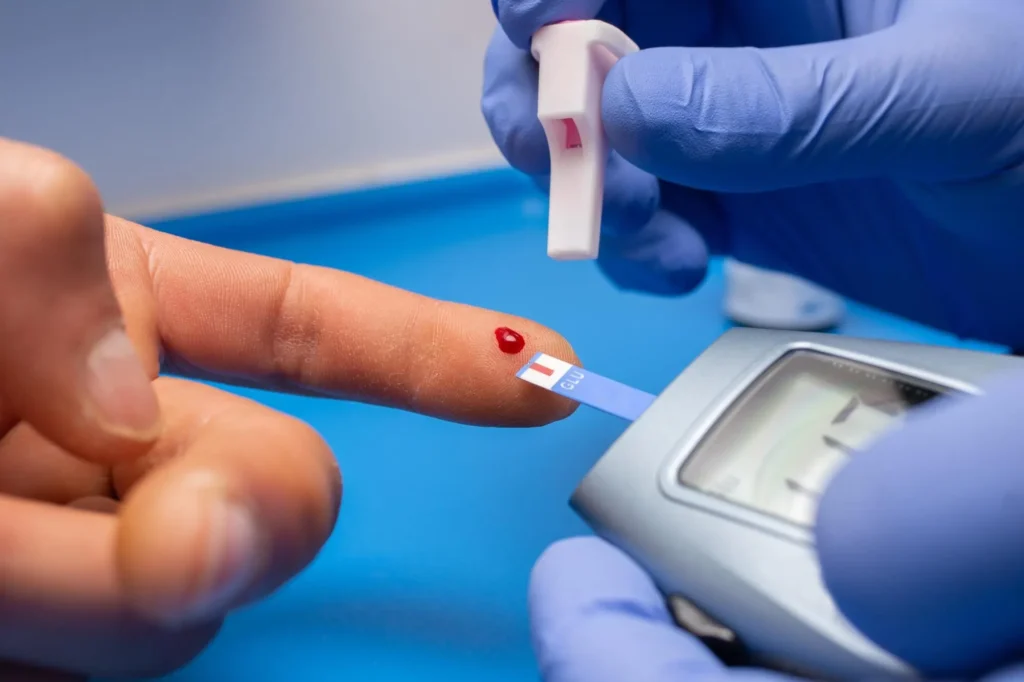
We handle diabetic foot ulcer billing that requires precise ICD-10 laterality, depth classification, and complication coding. We ensure correct sequencing of diabetes codes alongside wound codes to prevent medical necessity denials.
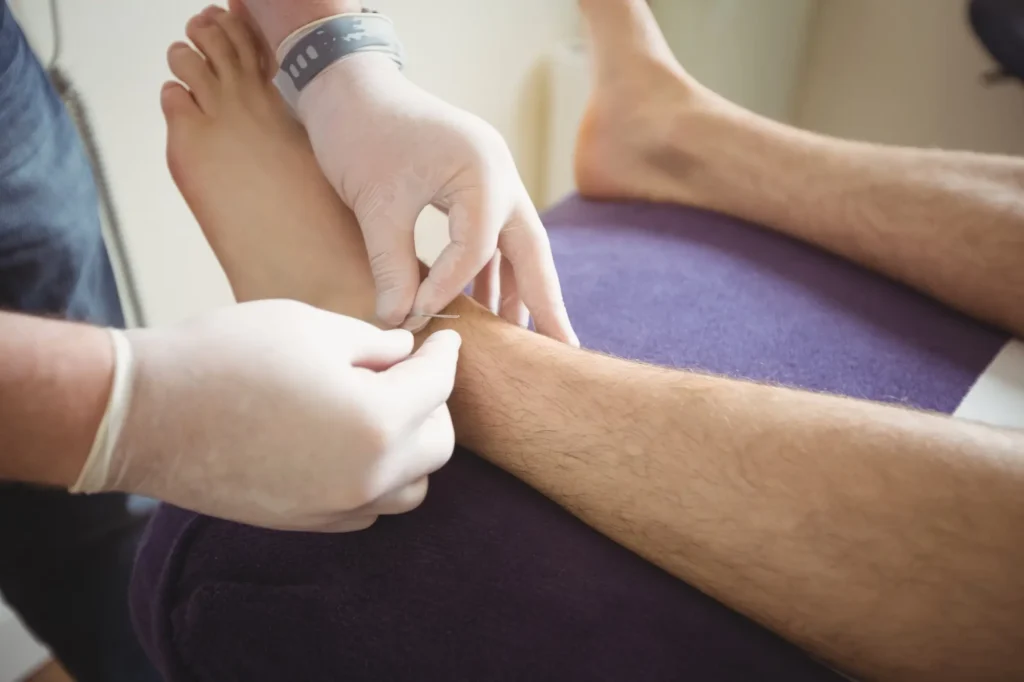
We manage venous stasis ulcer billing. We identify and correct gaps before submission when payers including UnitedHealthcare and Aetna require specific evidence of conservative care.
We provide stage-specific coding for pressure injuries. We help prevent reimbursement loss and audit concerns caused by miscoding a Stage III as Stage II on a sacral wound.

We manage post-surgical wound care billing when services are billed by the operating surgeon. We handle global period rules, modifier 24 and 79 applications, and payer-specific global day lookups.

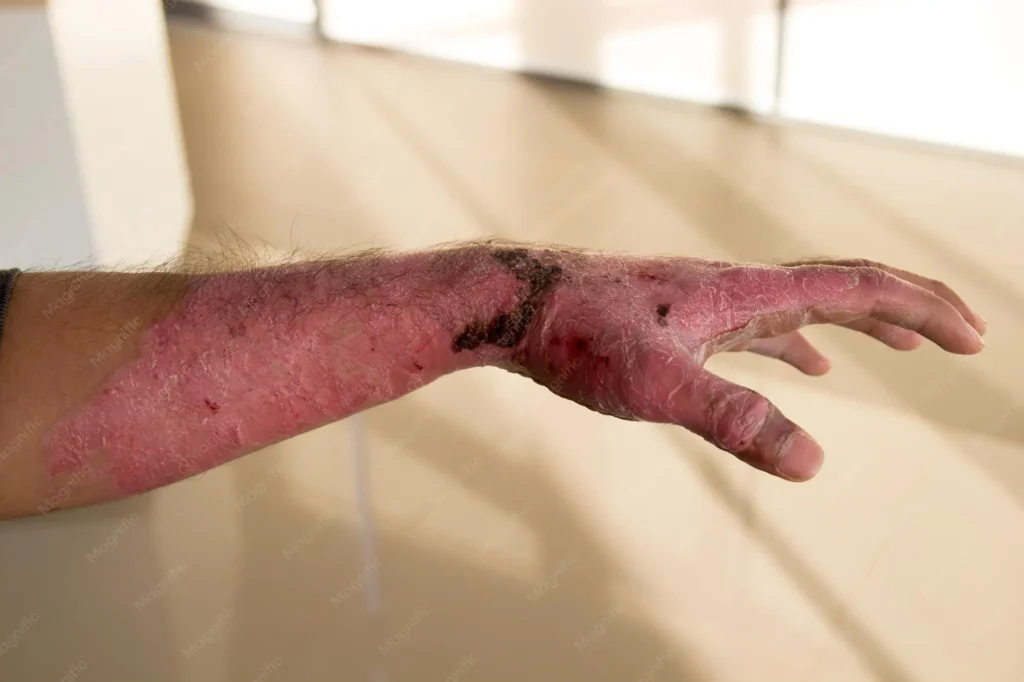
We support burn wound billing involving rule-of-nines body surface area calculations, depth classification, and concurrent E&M documentation. We construct claims to survive payer bundling edits.
Our integrated wound care billing solutions cover charge capture, claim submission, payment reconciliation, and denial appeals. Every function is performed by certified specialty coders to drive optimal financial outcomes.
We verify benefits, confirm wound care coverage limits, and secure prior authorizations a full 48 hours before every scheduled procedure. Our proactive approach prevents last-minute cancellations, reduces administrative friction, and ensures your clinical team proceeds with complete financial clearance for every patient encounter.
We perform a rigorous charge capture audit that identifies missed debridement charges, under-coded supply items, and documentation gaps before claims exit your practice. By correcting these discrepancies at the point of entry, we eliminate downstream revenue leakage and establish a compliant, accurate financial record from the very start.
We subject every claim to multi-layer scrubbing against payer-specific edits and wound care coding rules. Our rigorous validation process drives a 96-percent first-pass approval rate, significantly reducing rejections and accelerating your cash flow while reducing the administrative burden of resubmissions and rework.
We post remittances within 24 hours of receipt and validate every contractual adjustment against your fee schedule benchmarks. Our rapid reconciliation identifies underpayments early, allowing immediate intervention and ensuring your practice captures revenue contractually owed by each payer.
We tackle every denial within one business day, performing root-cause analysis to identify systemic issues. When appropriate, we prepare clinical appeal letters with supporting documentation. Our targeted recovery process reduces write-offs, shortens appeals timelines, and prevents recurring denials through actionable feedback to your clinical team.
We deliver monthly dashboards covering collection rates, denial trends, payer payment timelines, and coder accuracy. Our transparent, executive-level reports provide clear visibility into your revenue cycle performance and empower data-driven decisions to optimize your practice's operational efficiency.
Claim your free revenue cycle review and identify precisely where your wound care billing is losing reimbursable revenue.

Biological skin substitute application including products used in grafting procedures carries the highest per-claim value of any wound care service, and also the highest rate of payer scrutiny. A single misstep in product code selection, square centimeter unit reporting, or prior authorization documentation can result in a full claim denial on a procedure that costs your practice thousands in product acquisition alone. Stream RCM’s coders handle skin replacement therapy billing with a product-specific reference system that maps each biological product to the correct HCPCS code, payer coverage criteria, and prior authorization requirements updated whenever CMS or commercial payers revise their coverage policies. We also manage the retrospective authorization pathway for clinical situations where the procedure cannot wait for standard approval timelines.
When we submit your wound care claim, each CPT is validated against documented wound etiology, site, laterality, and encounter type, keeping claims clean on first submission.
Our coders verify wound depth, surface area, and tissue classification from provider notes before we submit selective debridement claims.
Our billing team calculates each additional unit based on documented wound size over the initial allowance pre-submission.
We identify practices exceeding 20% non-selective volume and pairs this code with specific wound diagnoses
We confirm prior authorization and payer-specific covered diagnosis lists before submitting any negative pressure wound therapy claim.
Our team confirms modifier 25 attachment when 99213 appears alongside debridement or NPWT on the same date.
Missing wound measurements and absent conservative care notes produce medical necessity denials no appeal can recover. Modifier 59 overuse and missing modifier 25 on E&M claims create NCCI bundling denials that drain revenue silently. Commercial payers revise skin substitute and NPWT coverage criteria annually, and practices billing under outdated policy do so without realizing it. AR balances over 90 days expire past timely filing windows, forfeiting legitimate collections permanently, while payer underpayments on debridement codes go undetected when ERA remittance is never validated against contracted rates. Our wound care billing team runs pre-coding audits, modifier review, weekly monitoring, AR follow-up, and contract validation as one system.

Our system integrates with your existing EHR, extracting wound documentation for claims while your providers continue documenting care without workflow changes.


Wound care billing demands clinical documentation, payer policy, and federal compliance alignment. Stream RCM tracks Medicare Part B, National Correct Coding Initiative edits, CMS transmittals, Medicare Administrative Contractor (MAC) updates, and commercial payer matrices for debridement, negative pressure wound therapy (NPWT), and skin substitutes. We monitor shifting prior authorization requirements quarterly. Our pre-submission compliance screen audits every high-value claim, reducing audit risk and ensuring defensible revenue.
From global period errors to missed supply codes, these five challenges drain revenue daily. We solve each one with targeted audits and preventive controls.
Surgeons’ post-operative wound care is incorrectly billed without proper modifiers, triggering automatic denials payers never explain clearly.
We cross-reference every claim against global period calendars, applying modifier 24 or 79 correctly to prevent bundling rejections.
Wrong POS codes on debridement claims cause fee schedule mismatches, reducing reimbursement or producing outright rejections.
We validate the place of service against credentialing and treatment setting, ensuring the correct fee schedule applies to every encounter.
New providers billing before payer enrollment complete face full denials; retroactive recovery rarely captures lost revenue.
We monitor credentialing status across all payers, alerting administrators before lapses so services never bill under unenrolled NPI.
Wound code as primary when systemic condition drives encounter causes medical necessity failures sequencing alone would prevent.
Our coders sequence ICD-10 based on documented visit reason, placing driving diagnosis first to satisfy payer necessity criteria.
Billable HCPCS supply codes for dressings, collagen, and NPWT canisters are overlooked, leaving hundreds unreported per encounter.
We audit wound care documentation for billable supplies and ensure each qualifying HCPCS line item is submitted for reimbursement.
We handle the complexities of wound care billing debridement units, NPWT authorizations, skin substitute coverage, and modifier compliance for maximum reimbursement.

We manage every step from coding and claim submission to AR follow-up and final reimbursement so your wound care revenue cycle runs seamlessly without gaps or delays.
Our error-free claims process ensures faster payer adjudication, reducing payment cycles and delivering consistent, predictable cash flow to your wound care practice.
Our coders specialize exclusively in wound care like debridement, NPWT, skin substitutes, and E&M, preventing specialty-specific errors.
We maintain strict HIPAA-compliant processes for all patient data, ensuring your wound care practice remains secure and audit-ready at all times.
Most practices complete transition within 10 to 14 business days. Our team collects fee schedules, contracts, and credentialing before submitting claims that reflect your actual payer mix.
Yes. Hospital outpatient billing follows OPPS with APC-based reimbursement. Freestanding clinics bill under Medicare Physician Fee Schedule. We maintain setting-specific protocols and assign trained coders accordingly.
We audit your denial inventory, categorize by root cause, and build recovery plans for actionable claims. Practices typically see meaningful revenue recovery within the first 90 days.
Our specialists maintain product-specific and payer-specific reference systems. We submit documentation, track approvals, and confirm authorization before procedures. We also manage retrospective pathways with clinical urgency rationale.
Yes. We provide structured audit response documentation compilation, letter drafting, and payer communication. We have supported practices through Medicare Administrative Contractor, Recovery Audit Contractor, and commercial payer audits successfully.

Connect with us for a wound care billing specialist and receive your complimentary practice assessment today.