- +1 (773) 985-1869
- info@stream-rcm.com
- 14430 Ocean Point, El Paso, TX 79938

 Patient data verification
 Eligibility status check
 Documentation review
 Charge capture validation
 Claim preparation
 Electronic claim submission
 Payment posting
 Denial investigation
 Account reconciliation
Accurate patient information establishes the foundation for every subsequent billing activity. Our team reviews demographics, insurance details, subscriber information, provider identifiers, and coverage status before claims move forward. This front-end review helps identify discrepancies that could otherwise create avoidable rejections or delayed reimbursement. Ohio Medicaid provides enrolled providers with tools to verify eligibility and access claim related information, making accurate intake data an important operational checkpoint.

Eligibility verification confirms the status of the coverage and verifies that the payer matches the intended service. The process includes verification of coverage information, payer information, authorizations, and patient responsibility. It is critical for Ohio-based organizations dealing with cases of coverage through Medicaid managed care, Medicaid, Medicare, and commercial insurance plans. Early detection of any coverage problem gives room to solve such discrepancies before the claims go to adjudication.

Clinical documentation and coding must communicate the services offered clearly enough to support accurate claim adjudication. Our billing team reviews submitted documentation and coding information for consistency before charge processing. The review considers diagnosis and procedure relationships, required information, payer expectations, and potential discrepancies. A disciplined pre submission review can help Ohio practices reduce preventable billing interruptions while creating a stronger foundation for subsequent claim submission and reimbursement tracking.

Charge validation connects the clinical encounter with the financial claim. Our team reviews charge information, service details, provider information, applicable coding, and payer specific requirements before submission. This stage is designed to identify missing or inconsistent information while the account can still be corrected internally. For Ohio providers working across multiple reimbursement arrangements, separating charge validation from final claim submission creates an additional quality checkpoint within the revenue cycle.

After account information passes internal checks, claims are prepared for electronic submission through appropriate billing channels. Ohio Medicaid's provider infrastructure includes electronic capabilities for claims and authorization related activities, while specific programs may impose their own transaction requirements.

Posting payments is the conversion of the payment data into your practice’s financial data. We will document the payments, contracts adjustments, denials, patient liability, and other pertinent remittance information, comparing expected versus actual figures. The process will help detect any underpayments, abnormal adjustment, duplications, and outstanding accounts. Accurate posting data will allow your practice to have more insights on the status of the accounts receivable.

Denial cases do not just involve submitting the claims once again. Our team analyses the reasons for denials, looks into the responses of the payers, studies any documentation available, decides what needs to be done, and then follows the case to completion. Ohio Medicaid’s programs have procedures for integrity, including compliance, fraud, waste, and abuse.

Account reconciliation provides a final financial checkpoint after payment and denial activity. Our team compares account balances, payer responses, adjustments, and remaining responsibility to identify unresolved amounts. Accounts requiring additional action can then be prioritized according to age, balance, payer response, or resolution opportunity. This approach gives Ohio practices a more organized method for managing outstanding receivables instead of allowing unresolved balances to remain outside an accountable workflow.

The final stage converts billing activity into actionable operational information. Reporting can organize claim status, denial patterns, aging, payment activity, unresolved balances, and payer trends into a clearer management view. These findings can help Ohio practices identify recurring front end errors, problematic payer responses, documentation gaps, or workflow bottlenecks. Stream RCM is among the best medical companies in Ohio that can use this information to refine billing procedures over time rather than treating claims processing as a one-time administrative function.









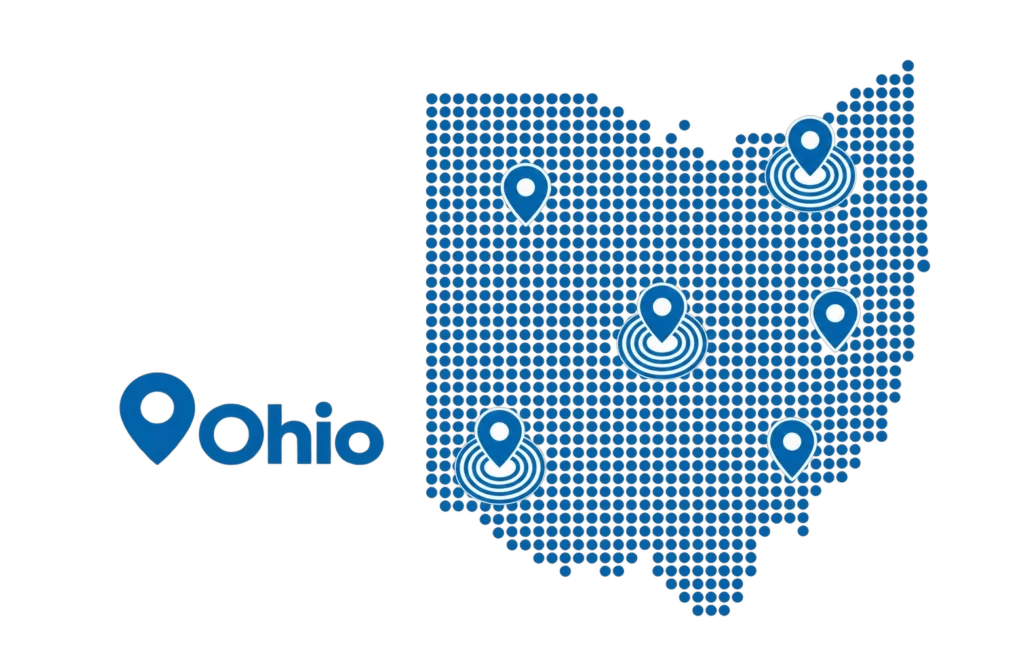

Cleveland's large healthcare market supports complex specialty practices which require payer coordination and claim management.

Columbus anchors Ohio's largest county population that creates demand for scalable billing workflows across diverse providers.

Cincinnati's substantial healthcare infrastructure creates varied payer mixes and revenue cycle requirements for medical practices.

Akron's healthcare market includes established systems and independent providers who need consistent claims and reimbursement.

Dayton providers can benefit from structured billing workflows for specialty services, aging accounts, and payer response.

Toledo's provider network requires coordinated eligibility, claims, payment posting, and denial workflows across multiple environments.

Canton area practices serve diverse communities where efficient claim processing can support predictable administrative operations.

Providers in Youngstown work within the regional market and therefore require thorough follow-up by the payer for consistency.

Lorain County's proximity to Cleveland creates varied provider settings that require adaptable billing and specialty specific support.

Rapidly growing communities north of Columbus create expanding healthcare demand and corresponding needs for scalable billing.

Hamilton and West Chester area providers require revenue workflows capable of supporting primary care and specialty practice growth.

Providers east of Cincinnati find themselves managing not only suburban needs but regional referral systems as well.

Lebanon and surrounding communities support expanding outpatient healthcare activity where billing infrastructure can accommodate.

Northeast Ohio practices benefit from consistent eligibility verification, claims monitoring, payment posting, and denial follow up.

Southern Ohio providers serve a region where access challenges make efficient revenue administration for medical practice operations.