- +1 (773) 985-1869
- info@stream-rcm.com
- 14430 Ocean Point, El Paso, TX 79938



 Insurance Eligibility
 Prior AuthorizationAccurate Medical
 Charge Entry
 Clean Claim
 Payment Posting
 Denial Appeal
 Accounts Receivable
 Patient Balance
Oregon members can change plans more often than many practices expect, which makes verification a daily task. The Oregon Health Authority reminds providers to confirm Oregon Health Plan eligibility and enrollment before every service, and early 2026 showed why, when PacificSource left Lane County and members moved to Trillium or Open Card. Current Healthier Oregon members also shifted to Open Card in January 2027. Our team checks coverage, coordinated care organization assignment and any secondary payers before the appointment, so front desk staff know exactly who pays for the visit.

Approval delays cost practice real appointments and real revenue every single week. Federal prior authorization rules now require impacted payers to answer standard requests within seven calendar days and urgent ones within 72 hours, and our team uses those windows to follow up with insurers and coordinated care organizations. We gather clinical notes, imaging and referral details, submit requests with the correct procedure and diagnosis codes and track each decision until it arrives. Fewer last minute surprises at the front desk mean fewer canceled procedures and cleaner claims later on.

Coding accuracy decides whether Oregon payers pay in full and promptly. Each year the ICD 10 code sets updates on October 1, and CPT and HCPCS changes take effect every January, so outdated codes quietly create denials. The Oregon Health Plan also funds services according to the Prioritized List of Health Services, which links diagnoses to covered procedures. Our credentialed coders read the provider note, assign specific diagnosis and procedure codes, attach the right modifiers and query providers when documentation is thin, keeping every claim supportable if an auditor asks.

Errors that start off with the charges themselves are the most difficult to spot later on down the line. At our company, prior to any claims going out to the payers, our experts compare the charges against the visit documents, verify the place of service, units, the rendering physician, and referring physician information, and compare fee schedules with each contract. In many cases, an Oregon practice will send claims out to several different payers simultaneously, such as Medicare, commercial insurance companies, and several coordinated care organizations, which makes one discrepancy a real headache.

A clean claim is the fastest path to payment. Our team scrubs each claim against payer edits, National Correct Coding Initiative pairs and coordinated care organization requirements before it leaves our hands, and we submit within 48 hours of visit completion. Rejections are corrected the same day. That discipline supports a 98 percent clean claim rate for our clients and keeps first pass acceptance high even when rules change. Oregon practices that once waited weeks for the first response now typically see most claims adjudicated within a single payment cycle.

Every payment tells a story about how a payer processes your claims. Our posting team applies each remittance to the correct account within one business day, compares the amount received with the contracted rate and flags underpayments for recovery. Under the Oregon Medicaid model, where sixteen coordinated care organizations may pay the same service differently, this comparison matters. Our clients gain full visibility into every variance, and each one is documented so contract disputes can be raised with clear evidence. Posting feeds the reports that show which payers pay slowly.

While denials are not final decisions, they do have a deadline. Once an appeal has been denied, we look for the underlying cause of the denial, document the denial, write a well-organized and coherent argument about the medical necessity of the service, and file the appeal within the payer’s deadline. Appeals to the Oregon Health Plan start from the Coordinated Care Organization level, whereas commercial insurance plans’ appeals may go up to the Division of Financial Regulation. We monitor any trends based on the payer and code and try to address the underlying problem.

Aging balances lose value every week. Our accounts receivable team works claims at thirty, sixty and ninety day intervals, calls payers directly, checks claim status and escalates stalled files before timely filing limits close. Each account gets a single named owner. Oregon hospitals earned 92.6 percent of operating revenue from net patient revenue in the third quarter of 2025, which shows how heavily providers depend on steady collections. We prioritize the largest and oldest balances first and give you a plain summary of what is owed, by whom and why.

Patient responsibility is growing across Oregon. Enhanced federal premium tax credits expired at the end of 2025, and roughly 126,000 residents held marketplace plans in mid-2025, so many now face higher net premiums. Our patient billing team sends statements that are easy to read, offers payment options and answers questions by phone with courtesy. Each statement itemizes services, insurance adjustments and balances remaining after payment. Clear communication protects your reputation while improving collection rates, and we route hardship or financial assistance requests back to your office for a decision.













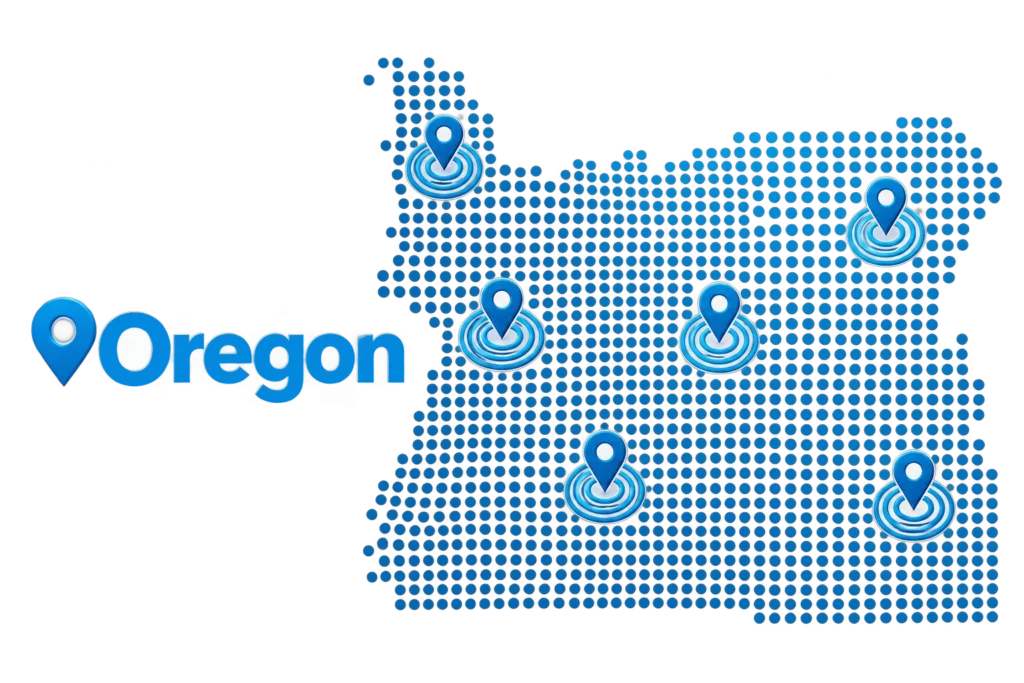

Portland practices serve Medicaid members through Health Share of Oregon, so we align high volume claims with coordinated care requirements.

Hillsboro and Beaverton groups bill Health Share of Oregon and commercial payers, and we keep referrals and authorizations organized daily.

Oregon City and Lake Oswego practices see Medicaid and commercial patients, so we align Health Share claims with employer insurance plans.

Salem medical providers work with Willamette Valley Community Health and a state workforce, so we keep Medicaid and employer claims accurate.

Eugene and Springfield practices adjust to Trillium after PacificSource left Lane County in early 2026, and we verify active member coverage.

Medford practices bill Jackson Care Connect, Medicare and commercial plans, and we keep Rogue Valley claims moving without payer delays.

Bend practices serve a fast growing area, so we handle efficient new patient registration and Central Oregon Medicaid billing.

Grants Pass clinics near Asante Three Rivers Medical Center rely on timely authorizations, and we help small practices stay paid with less hassle.

Roseburg providers work with Umpqua Health Alliance, and we manage Oregon Health Plan claims for rural medical practices with limited staff.

Albany and Lebanon practices work with InterCommunity Health Network, and we keep primary care and specialty claims accurate and current.

Corvallis practices near Oregon State University serve students and families, so we manage dependent coverage, eligibility and Medicaid transitions.

Pendleton and Hermiston providers serve farming communities through Eastern Oregon CCO, and we keep rural clinic claims organized and paid.

Klamath Falls providers near Sky Lakes Medical Center bill many payers, and we manage referrals and authorizations across all the region.

Coos Bay providers near Bay Area Hospital work with Advanced Health, and we protect thin margins by resolving denials easily.

Astoria providers work with Columbia Pacific CCO, and we manage seasonal tourist visits that bring out-of-area insurance claims and added billing.