- +1 (773) 985-1869
- info@stream-rcm.com
- 14430 Ocean Point, El Paso, TX 79938



 Patient Information
 Insurance EligibilityClinical Coding
 Complete Charge
 Claim Preparation
 Electronic Claim
 Payment Posting
 Denial Resolution
 Revenue Performance
Patient registration is the start of the revenue cycle where demographic information, insurance details, responsible party details, and other clinical information is collected. Inaccuracies during intake will result in less work later. Eligibility processes for patients in New Jersey need to factor in changes in Medicaid managed care and market plans. There were 1.73 million people in the New Jersey Medicaid managed care plan in December 2025, which makes verifying the patient's insurance very important for those who are part of the process. Our team prepares patient data before processing and coding.
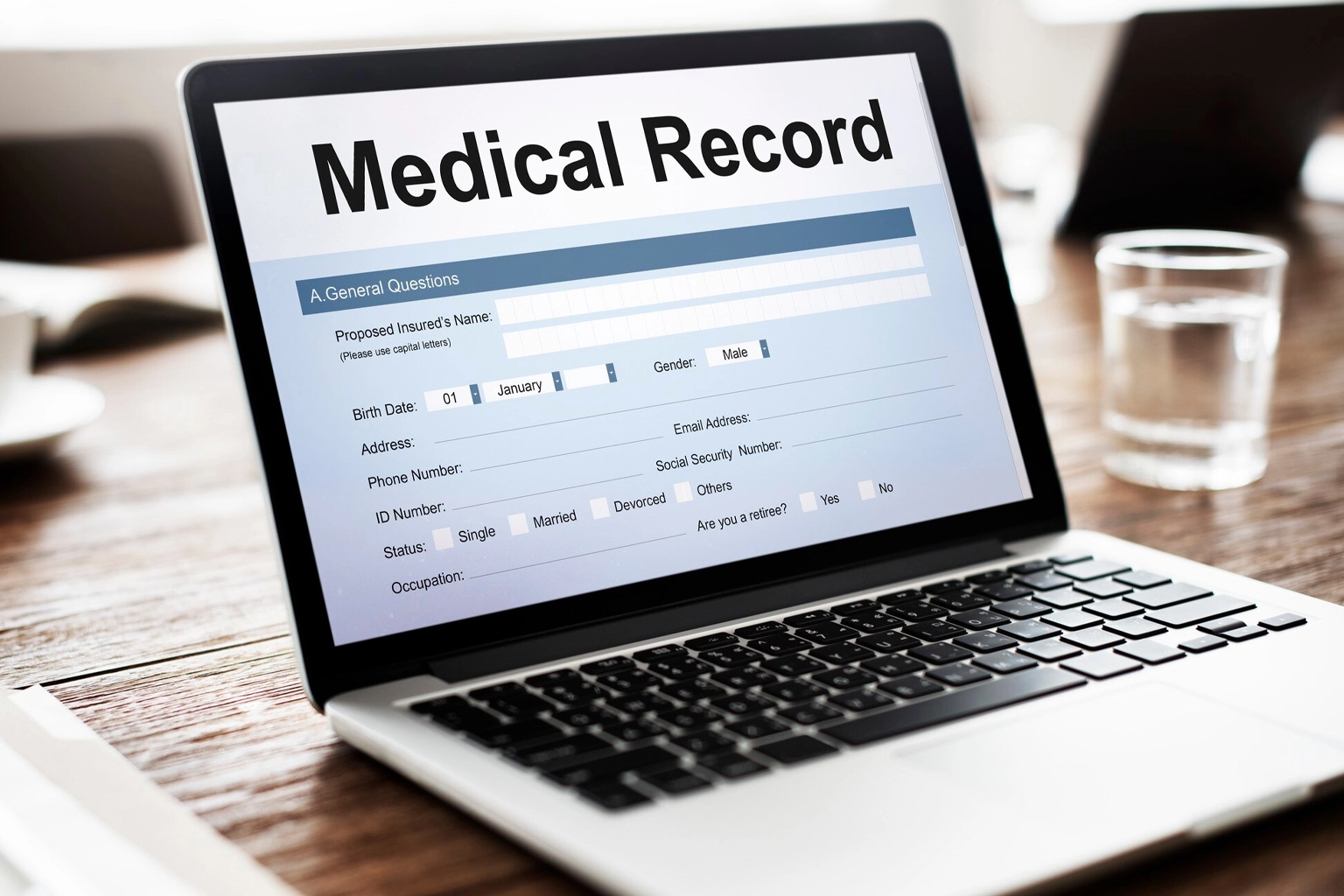
Insurance verification ensures that active insurance is present, the type of coverage, patient financial responsibility, necessary authorizations, and unique payer criteria prior to billing. This upfront control ensures that practices have the opportunity to resolve eligibility issues prior to submitting claims. The public coverage landscape in New Jersey is quite extensive, with greater than 95% of managed care eligible members having received their care under a managed care contract. Changes to NJ FamilyCare eligibility criteria, starting October 2026, further add to the importance of insurance verification. We integrate eligibility screening into the claims process.

Medical coding ensures that services provided are translated into codes like CPT, ICD 10, and HCPCS for claims submission. Accuracy of the coding process determines how well the claim is accepted, evaluated for medical necessity, modifiers are applied, and processed by the payer. Our team has coded processes which ensure that documentation is in line with the required billing process. Practitioners in New Jersey may also face issues with Medicare fee schedules locality since there are 10 counties located in the Northern New Jersey locality and the rest in the Rest of State locality.

Charge capture captures billable services, procedures, supplies, and encounters prior to claim creation. Unidentified charges may result in revenue loss, despite correct clinical services delivery. We check documented clinical services and link them with billing services prior to submission. Charge capture is especially important for specialists that perform several procedures, use modifications, supplies, or recurrent services. Having a charge capture process allows practices to have a traceable link between clinical services and billing ones, and helps to avoid under-billing and unnecessary fixes.

Claim preparation combines patient information, coverage details, codes, modifiers, charges, provider data, and supporting documentation. The objective is to create a complete claim before transmission rather than correcting preventable errors after payer submission. We offer a 99.9 percent first pass claim acceptance ratio, although individual results can vary according to specialty, payer mix, documentation quality, and practice workflow. New Jersey practices also benefit from reviewing Medicare locality configuration because reimbursement calculations can depend on the applicable geographic fee schedule area.

Electronic submission of claims entails submitting validated claims data to the respective payer to be adjudicated. We track submissions of claims in terms of acceptances, rejections, payer responses, and pending actions. According to their claims submission statistics, Our team attains a clean claim submission rate of 98 percent with denial rates reducing by up to 75 percent, both of which are company performance indicators as opposed to those that are applicable on a statewide basis.

Payment posting includes the payer payment, contractual adjustment, patient portion, refund, and outstanding balance. Proper reconciliation makes sure that the practice financial statements include information about how much money is billed, how much is paid, and how much can be collected. Our team utilizes payment posting as part of its A/R process to help uncover unpaid balances after adjudication. It notes that 90% of claims get paid within 30 days, although payment time may vary depending on the payer contract and other factors.

Denial management begins by categorizing payer responses according to eligibility, authorization, coding, documentation, medical necessity, filing limits, or other causes. Our team analyzes denied claims, corrects appropriate issues, submits appeals when supported, and monitors outcomes. Its published performance materials report denial reductions of up to 75 percent. Practices should interpret this as a company reported capability rather than a guaranteed New Jersey result because denial patterns vary by specialty, payer, documentation, and existing billing controls.

Revenue optimization evaluates claim acceptance, denial patterns, A/R aging, payer responses, payment timing, coding trends, and collection performance. Our team reports revenue collections 40 to 50 percent higher in its performance materials and operational savings of 40 to 50 percent. These figures are company reported and should be compared with a practice's documented baseline. For New Jersey providers, performance analysis can also separate Medicaid, Medicare, commercial, and marketplace activity to reveal where workflow improvements have the greatest financial effect.












February 2025 NJ FamilyCare non ABD children totaled 29,995, supporting careful pediatric eligibility and claims verification workflows.

February 2025 NJ FamilyCare non ABD children totaled 50,739, making coverage verification important for pediatric practice billing.

February 2025 NJ FamilyCare non ABD children totaled 29,509, creating meaningful Medicaid eligibility workflow requirements for providers.

February 2025 NJ FamilyCare non ABD children totaled 56,507 that required disciplined eligibility, coding, and payer claim workflows.

February 2025 NJ FamilyCare non ABD children totaled 25,148 that emphasize accurate coverage checks before pediatric services are billed.

February 2025 NJ FamilyCare non ABD children totaled 104,607, making payer verification and claim accuracy particularly consequential.

February 2025 NJ FamilyCare non ABD children totaled 74,235, supporting structured Medicaid eligibility and claims management for local practices.

February 2025 NJ FamilyCare non ABD children totaled 67,759, creating substantial demand for accurate eligibility and reimbursement workflows.

February 2025 NJ FamilyCare non ABD children totaled 37,094, requiring dependable coverage verification and documentation controls.

February 2025 NJ FamilyCare non ABD children totaled 19,691, while Medicare locality rules also affect eligible provider reimbursement workflows.

February 2025 NJ FamilyCare non ABD children totaled 98,397 making eligibility accuracy and claims management important operational priorities.

February 2025 NJ FamilyCare non ABD children totaled 71,479, requiring consistent coverage validation and denial prevention for billing workflows.

February 2025 NJ FamilyCare non ABD children totaled 60,403, with Medicare locality rules applying to this Northern New Jersey county of Union.

February 2025 NJ FamilyCare non ABD children totaled 39,704, highlighting the value of accurate Medicaid eligibility and claims processing.

February 2025 NJ FamilyCare non ABD children totaled 20,716, supporting careful payer verification and pediatric reimbursement controls.