- +1 (773) 985-1869
- info@stream-rcm.com
- 14430 Ocean Point, El Paso, TX 79938


 Patient Coverage
 Authorization RequirementClinical Documentation
 Charge Capture
 Medical Coding
 Electronic Claim
 Payer Adjudication
 Denial Resolution
 Payment Reconciliation
Eligibility verification establishes whether the patient has active coverage before services are billed. Michigan Medicaid and Michigan medicine billing specifically instructs providers to verify beneficiary eligibility, while CHAMPS provides online eligibility verification capabilities. We review demographic information, payer details, coverage status, and applicable plan information before downstream billing activity begins.

Prior authorization can affect whether certain services qualify for reimbursement. Michigan's CHAMPS platform includes prior authorization functionality, while Michigan clean-claim requirements recognize authorization information as part of qualifying documentation where authorization is required. Our team tracks authorization status and connects relevant documentation with claim preparation.

Accurate billing depends on documentation that supports the service reported. Michigan's clean-claim definition includes information establishing medical necessity, when necessary, service details, provider identification, patient information, coding, and supporting documentation. We review documentation relationships before claims enter submission workflows.

Charge capture connects completed services with the charges ultimately submitted to payers. A controlled process checks service dates, locations, providers, procedures, modifiers, and documentation relationships. This helps identify missing or inconsistent charge information before a claim is transmitted and creates a more traceable connection between clinical activity and revenue-cycle records.

Medical coding converts clinical procedures to coding for billing purposes. Our team reviews coding accuracy against available documentation and applicable payer requirements before submission. Michigan Medicaid maintains provider-specific procedure-code and reimbursement resources, with policies and fee information subject to updates, making ongoing reference to current payer guidance important.

Electronic billing is supported under Michigan Medicaid via HIPAA compliant ASC X12 Version 5010 transactions. CHAMPS also permits direct claims submission, batch submissions, claim status checks, adjustment, voiding, and payment status functions. We employ a controlled process of submission and tracking that provides visibility from claim submission through payers’ adjudication.

Requests for more information may be necessary when the payer's response suggests incomplete information, problems in the billing process, or any other problems related to adjudication. Our team tracks the status of the claim and the payer's response to separate those claims that are pending from those that are denied or disputed payments.

Steps involved in denial management include determining the reason behind the denial and then matching it with documentation, coding, authorization, eligibility, or claims submission problems. Our medical billing and coding Michigan help in identifying denial actions, prioritizing actions related to the accounts, assisting in resubmission or appeal process of the claim, and more.

Payment posting must establish an accurate association between payer remittances, the billed service, contractual adjustment, patient responsibility, and balance due. We compare the payment data to account data and uncover any inconsistencies. Michigan CHAMPS has payment status functions available, whereas MDHHS provides billing and reimbursement resources.












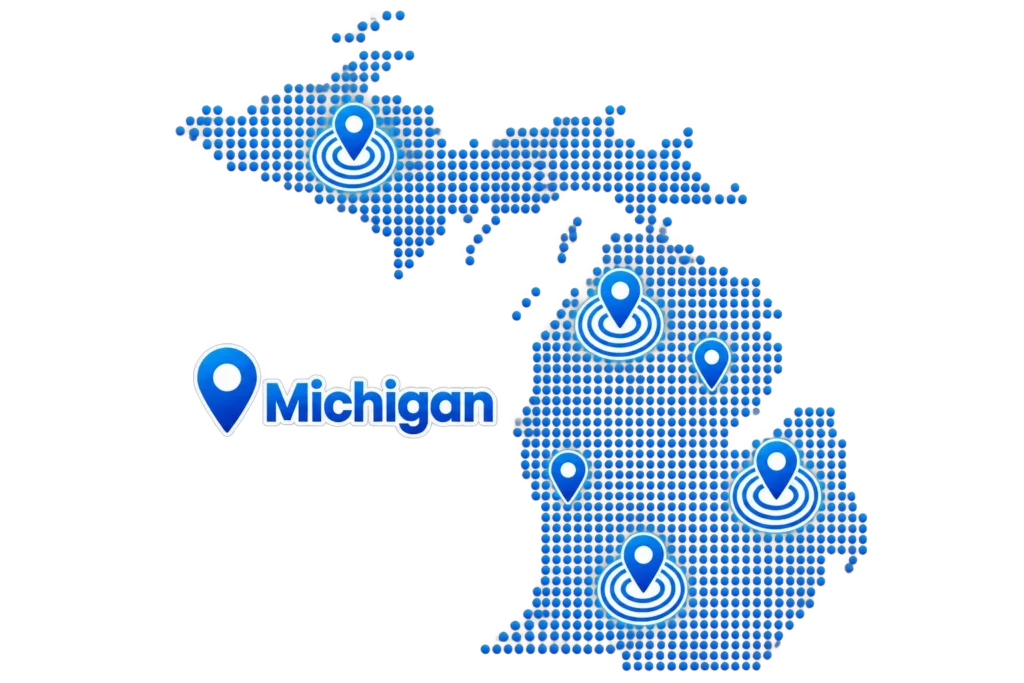

Bay County had a 28.94% rural population share in the 2020 Census, requiring billing workflows suited to mixed urban and rural provider operations.

The county's rural population represented 30.10% of residents which highlights geographic disparity that can affect provider medical access and workflows.

Calhoun County noted a 32.34% rural population share which creates a mixed healthcare environment requiring adaptable revenue-cycle support.

Cass County was 74.10% rural by population in 2020, illustrating the substantial geographic variation within Michigan's healthcare delivery landscape.

Clinton County had a 51.32% rural population share, making consistent remote billing coordination valuable for distributed provider medical operations.

Eaton County's rural population accounted for 37.98% of residents, reflecting a blended healthcare market between metropolitan and rural communities.

Genesee County contained almost 18.20% of its population in rural areas or regions and comprised both clusters of population and dispersed population.

Grand Traverse County described 43.17% of its population as rural and provided healthcare access to a diverse geographic territory and regions.

The County's rural population represented 14.57% of residents, demonstrating the county's predominantly urbanized but geographically varied healthcare market.

Lapeer County had an 85.95% rural population share in 2020 which emphasizes the significance of walkable administrative support across dispersed practices.

Leelanau County recorded an 87.58% rural population share which is among the highest proportions reported for Michigan's partially rural counties.

Livingston County had a 39.51% rural population share, requiring revenue workflows capable of supporting both growing communities and rural practices.

Midland County recorded a 43.22% rural population share, illustrating a substantial rural component within its broader regional healthcare practice market.

Saginaw County had 32.62% of its population living in rural areas, and therefore required flexible workflow management in varying provider sites and patients.

The rural population of Washtenaw County was 17.19% which comprises both densely populated and rural areas, hence flexible billing management and workflow.