

 Verify Patient
Information
 Confirm Coverage
Eligibility
Review ClinicalDocumentation
 Validate Medical
Coding
 Submit Electronic
Claims
 Monitor Payer
Responses
 Resolve Claim
Denials
 Post Payments
Accurately
 Analyze Revenue
Performance
Verify Patient Information Before Idaho Billing Begins
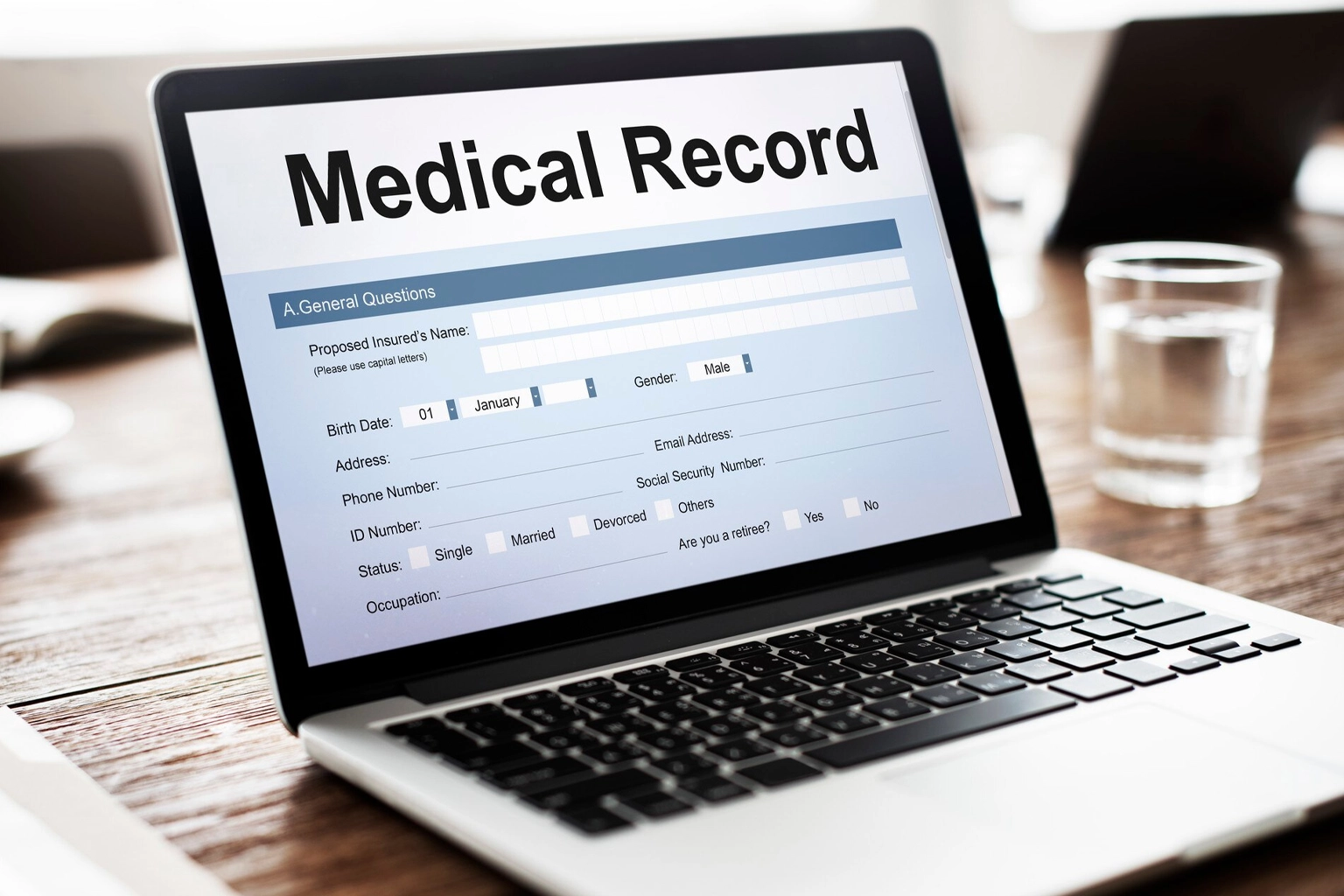
A properly completed registration is critical to set up any claim process. Stream RCM screens patient demographics, subscriber data, payer data, coverage data, and account data prior to billing process initiation. The Electronic Verification System of Idaho Medicaid necessitates that all the necessary information should be obtained by the provider using the system and provided to the claim. This means that accurate front-end work is a crucial element of billing success. Reliable registration is especially important for rural medical practice in Idaho due to limited manpower.
Confirm Insurance Eligibility Before Services Are Delivered
Eligibility verification ensures the coverage is active and payer requirements may impact the billing process. Stream RCM evaluates the payer information, coverage, subscriber relationships, and authorizations prior to filing the claim. The Medicaid program in Idaho has certain eligibility and enrollment criteria, whereas the commercial payers have their own submission guidelines. Early verification can assist the practices in recognizing inactive coverage, inaccurate payer information, and authorizations before the services result in uncollectible accounts. It also enables the billers to understand that the coverage issue is separate from coding or documentation issues.

Review Clinical Documentation Before Coding Each Encounter
Clinical documentation serves as the documentation for the reported services. Stream RCM analyzes the records with respect to encounters to uncover gaps in documentation, documentation that does not match the encounter, unreported services, and documentation risk before coding and billing. This process is critical for evaluation and management services, procedures, behavioral health, specialties and other encounters and those services that require authorization. The rural healthcare environment of Idaho is made up of critical access hospitals, rural health clinics, federally qualified health centers and other providers.

Validate Medical Coding Against Current Payer Requirements
Medical coding is the process of converting documentation into coded information that reflects diagnoses and procedures. Stream RCM validates diagnosis choice, procedure codes, modifiers, and supporting documentation, in addition to payer-specific requirements, before submitting claims to payers. Idaho Medicaid keeps handbooks and billing guides for providers, while private payers can have their own unique requirements regarding claim formatting and electronic submission. As such, coding is more than just assigning a code – it involves matching documentation, payer guidelines, modifiers, and the claim itself. Effective validation can decrease coding rejections due to human error and facilitate consistent payment.

Submit Electronic Claims with Complete Required Information
Following the verification, documentation, and code checking process, Stream RRC will prepare claims for transmission electronically and monitor the submission process. Payers in Idaho are increasingly adopting electronic submissions, while the existing commercial payer submission requirements include electronic submission of CMS 1500 and EDI processing for professional claims. Claim preparation eliminates most technical denials and facilitates the discovery of any missing information before submission. The claim submission services offered by Stream RRC have been benchmarked at 98% clean claims rate, while its overall revenue cycle comparison materials have been benchmarked at 99%.

Monitor Payer Responses After Every Claim Submission
Claim submission is just one phase of the whole process. Stream RCM keeps track of acknowledgements, rejections, status of claims, payer requests, payments, and any other outstanding transactions post-submission. Idaho Medicaid has its own set-up for claims processing and support of providers, whereas the commercial payers have a different set up. Constant monitoring will assist the billing professionals in determining if the rejection was merely technical in nature or was an actual denial of payment and what action should be taken accordingly. In rural practices, the constant monitoring system will save the efforts of clinical/front office staff who would otherwise check the payer systems time and again.

Resolve Claim Denials Through Root Cause Analysis
Denial management centers on understanding why the claim did not get paid and what needs to be done in terms of process change to avoid this in the future. Stream RCM identifies the denial codes, investigates for issues with eligibility, authorization, documentation, coding, and submission, and makes sure that appropriate steps are taken to correct or appeal the denial. The company has a publicly available benchmark that shows denial reduction of up to 75%. This is a result provided by a company and does not guarantee any results in Idaho. The insurance landscape in Idaho consists of Medicaid and commercial payers who have different administration needs.

Post Payments And Reconcile Patient Accounts Precisely
Posting payments links the remittance from the payer, the contractual adjustments, patient payment, and balance owed to each account. Stream RCM examines the posted payments in order to detect discrepancies and ensure that balances that have been paid are clearly identified for follow-up. Proper reconciliation will ensure accurate A/R aging and eliminate the risk of paying the claim when it should not be paid. It becomes crucial for Idaho practices dealing with patients with Medicare, Medicaid, commercial insurance, and self pay coverage. Payment analysis can uncover instances of payer underpayments, abnormal adjustments, and discrepancies in payments.

Analyze Revenue Performance Through Actionable Billing Data
Revenue analytics provide actionable intelligence from billing processes. Stream RCM analyzes clean claims, denied claim reasons, payment timeliness, A/R aging, collection patterns, and revenue patterns to determine areas for improvement. Visibility is especially necessary in Idaho due to potential problems with the availability of staff and distances that create administrative pressure. According to data from 2025, there were only 227 doctors per 100,000 people in Idaho and it was 50th in the country in terms of doctors' availability. Stream RCM will enable clinics to preserve administrative staff while the clinical staff is focused on their tasks.













Ada County
Idaho's most populous county reached 546,141 residents in 2025, supporting substantial demand for scalable physician billing and specialty revenue workflows.

Canyon County
Rapid regional growth increases administrative volume, making organized eligibility, coding, claims, denials, and A/R management increasingly valuable.

Kootenai County
Kootenai reached 191,864 residents in 2025 after 12% growth since 2020, creating expanding healthcare billing demands.

Bonneville County
Bonneville reached 135,771 residents in 2025 after 9.5% growth since 2020, supporting diverse physician and outpatient billing requirements.

Bannock County
Bannock County reached 91,591 residents in 2025, making dependable claims and reimbursement workflows important across southeastern Idaho practices. Census.gov

Twin Falls County
Twin Falls reached 97,539 residents in 2025, with 8.3% growth since 2020 and increasing regional healthcare activity.

Ada County Rural Areas
Even within Idaho's fastest growing county, expanding practices can benefit from centralized coding, denial management, payment posting, and A/R oversight.

Nez Perce County
Regional providers can use remote revenue cycle expertise to supplement local staffing and maintain consistent claim follow-up.

Latah County
A mixed urban rural healthcare environment benefits from structured eligibility, documentation, coding, claims, and payment reconciliation.

Bonneville County Rural Areas
Providers serving dispersed communities can outsource administrative workloads while maintaining greater clinical focus and financial visibility.

Bingham County
Regional practices can strengthen reimbursement processes through coordinated claim submission, denial resolution, payment posting, and aging management.

Canyon County Rural Areas
Growing communities can use scalable billing support to handle increasing encounter volumes without proportionally expanding internal teams.

Blaine County
Specialty and outpatient practices can benefit from coding oversight, payer followup, denial analysis, and detailed revenue reporting.

Elmore County
Geographic distance and workforce constraints make remote billing expertise useful for practices managing claims and aging accounts.

Idaho County
Rural providers can access centralized billing specialists for coding, claims, denials, payment posting, and revenue performance monitoring.