- +1 (773) 985-1869
- info@stream-rcm.com
- 14430 Ocean Point, El Paso, TX 79938


 Verify Patient
 Confirm InsuranceReview Clinical
 Validate Medical
 Submit Electronic
 Track Payer
 Resolve Billing
 Post Payments
 Analyze Revenue
Having accurate demographics and insurance information will help to avoid claims mistakes that could have been easily avoided before coding. Our team examines the patient identification information, subscriber information, payor information, eligibility information, and account information before making any claims. The state of Delaware Medicaid situation makes it imperative to have such discipline in the front end since there are specific enrollment requirements for fee-for-service providers before they make claims, while the ordering, referring, and prescribing physicians should be separately enrolled. Having correct information also helps to do eligibility determination and payer matching.

Verification of eligibility helps determine the status of coverage as well as any payer-specific criteria that may influence payment. We verify the status of insurance, payer, coverage information, and need for authorization before proceeding with claims. This is relevant to Delaware in particular since the state’s Medicaid program consists of managed care and fee-for-service patients. The current Medicaid portal of Delaware also allows doctors to verify patient eligibility online. Verification helps offices detect coverage errors that may lead to denial of claims.
Documentation is the proof behind the medical services provided. Our team looks at records compared to what was billed in order to determine missing information, discrepancies, unnecessary services, and documentation risks prior to claim submission. The review can be beneficial to procedures, evaluation and management visits, modifiers, specialties, and services that require authorization. As seen with the changing rules of Delaware Medicaid, it is imperative that the billing department keep up to date with the payor policies and not rely solely on past procedures. For example, electronic visit verification rules apply to specific in-home services.

Medical coding is the process of assigning standardized code for diagnosis and procedures based on the documentations of healthcare services for reimbursement purposes. We will validate the accuracy of diagnosis chosen, the procedure codes, modifiers, and documentation as well as the payers' specific requirements prior to the submission of the claim. The accuracy of coding becomes even more vital when practices have many patients with insurance from different insurance companies or the Delaware Medicaid program that has its own special requirements. The coding mistakes may result in denials, delays, improper reporting, and/or compliance issues.
Once the claims have been reviewed regarding their eligibility, documentation, and coding, the claims are then processed and sent electronically. Our team confirms that the appropriate information has been provided, logs the transmission, and checks the response from the payers. The Delaware Provider Portal provides a service through which healthcare providers may send claims, check the status of claims, perform eligibility checks, send 837 transactions, and receive provider resources. Due to the ability to do all this electronically, the importance of correct data preparation cannot be overstated. We state that 98% of its claims are submitted cleanly.

Claim submission is not the end of the billing process. Our team follows up on claim acknowledgements, denials, requests from payers, payments, and pending claims to facilitate follow up on accounts. The claim status and eligibility inquiry features in Delaware Medicaid enable this monitoring function; managed care organizations can set further provider requirements. This process will allow billing staff to differentiate between technical rejections and denials of the claim and decide on the corrective measure to be taken. It will also ensure that the claims do not remain idle in the accounts receivable section.

Denial management is not merely about resubmitting denied claims. We classify the causes of denials, analyze patterns that repeat themselves, make corrections where possible, and handle follow-ups and appeals by payers. The Delaware Medicaid program offers an instance of how important specialized knowledge is – unenrolled providers may have their claims denied and some home and community services require electronic visit verification. Our team boasts up to 75% decrease in denials on the part of the company. Individual results depend on starting denial levels, payor mix, specialty, documentation, coding, and existing administrative systems.
The payment posting process links the payment remittance from the payer, adjustments, patient payment, and balance to the respective account. Our team verifies any errors in the payment posting and also makes sure the remaining balances are highlighted for follow-up action. Proper payment posting helps ensure proper aging of accounts receivable and avoids situations where there is confusion between paid accounts and accounts receivable. This is even more important for Delaware practices offering various insurance plans and managed care programs. It also provides more insights to administrators in terms of assessing the payers' performance and revenue leakage issues.

Revenue analytics turn every transaction into valuable information for operations. We analyze the following parameters: clean claims, denial reasons, payments, A/R aging, collections, and payments trends, which help identify areas where improvements can be made. The following benchmarks have been reported by the company: 99% clean claims; up to 75% denials reduction; 40% to 50% higher collections; 90% claims paid in 30 days. All of the above is reported performance by the company and not guaranteed performance for Delaware practices. The actual performance will vary depending on specialties, payers, documentation, coding, A/R, denial history, staff, etc.










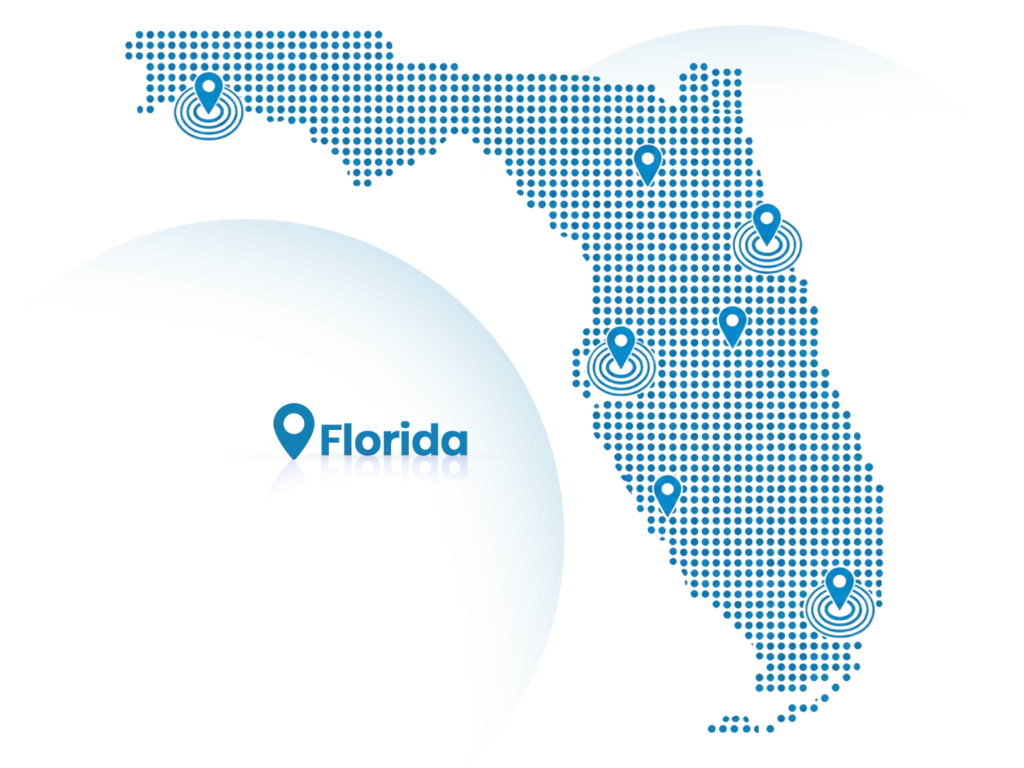

The state’s most populous county supports extensive healthcare activity, requiring scalable claims management, coding oversight, and payer follow up.

Kent County contains rural healthcare areas where workforce shortages increase the value of dependable outsourced billing and A/R support.

Sussex County faces acute primary care shortages, making administrative efficiency particularly important for practices serving growing and aging communities.

Wilmington’s concentrated provider market requires efficient claim workflows capable of handling multiple specialties, payers, and reimbursement arrangements.

Dover serves as an important central Delaware healthcare market where streamlined billing can support practices facing staffing constraints.

Newark’s medical practices benefit from coordinated eligibility, coding, claims, denial management, and financial reporting workflows.

Middletown’s expanding population creates demand for scalable administrative infrastructure supporting growing physician and outpatient practices.
Bear area practices can use centralized revenue cycle support to reduce internal administrative workload and improve payment visibility.
Smyrna serves central Delaware communities where consistent claims processing and A/R follow up support practice stability.
Milford sits within the broader Kent and Sussex healthcare corridor, making payer coordination and billing continuity particularly useful.
Georgetown practices serve Sussex County communities where provider shortages make efficient administrative operations increasingly valuable.
Seaford healthcare organizations can benefit from remote billing expertise when local recruitment of specialized revenue staff becomes difficult.
Lewes serves an older coastal population, increasing the importance of accurate Medicare, specialty, and chronic care billing workflows.
Rehoboth Beach practices operate within a coastal market where seasonal population dynamics can create variable administrative workloads.
Southern Delaware’s rural healthcare pressures make outsourced billing, coding, denial management, and A/R services useful capacity extensions.