- +1 (773) 985-1869
- info@stream-rcm.com
- 14430 Ocean Point, El Paso, TX 79938


 Patient Information Review
 Eligibility And BenefitsAuthorization Verification
 Charge Capture Review
 Coding And Documentation
 Claim Preparation
 Electronic Claim Submission
 Payment And Denial Posting
 A/R Follow Up
The process begins by reviewing demographic, insurance, provider, and encounter information before charges move forward. Accurate patient information reduces avoidable claim discrepancies and creates a reliable foundation for subsequent billing steps. This is particularly relevant when practices manage multiple commercial carriers, Medicare, Medicaid, and changing patient coverage. South Carolina Medicaid supports electronic and paper claim submission, but the responsibility for accurate information remains with the submitting provider. Our workflow therefore starts with organized data validation rather than waiting for errors to appear after submission.

Eligibility verification helps practices establish whether coverage is active and identify relevant payer information before services are billed. Reviewing benefits before claim preparation can reduce preventable administrative issues involving inactive coverage, incorrect payer selection, or missing information. South Carolina's insurance marketplace includes statewide carriers as well as carriers operating in selected counties, illustrating why payer identification matters across the state. Current 2026 marketplace information shows different carrier footprints among South Carolina's 46 counties.
Authorization review is particularly important for procedures, diagnostic services, specialty treatment, and other encounters where payer requirements may apply. A missing or incomplete authorization can create payment complications even when the underlying service was medically appropriate. Our process places authorization review before claim submission whenever applicable. This creates an additional control between scheduling or service delivery and final billing, allowing staff to identify documentation or authorization gaps earlier instead of discovering them only after a payer response.

Charge capture translates completed clinical services into billable transactions. Missing charges can create revenue leakage, while duplicate or unsupported charges can introduce compliance and payment concerns. A structured review compares encounter information, provider documentation, and billable services before coding and submission. For South Carolina organizations operating across multiple specialties, this stage can also help separate payer specific requirements from general billing procedures. The objective is to create a complete, supportable claim record before the claim enters the clearinghouse or payer workflow.
Coding review connects clinical documentation with reported diagnosis and procedure information. Our team can organize this stage around documentation completeness, code selection, modifiers, payer requirements, and specialty specific considerations. South Carolina Medicaid maintains procedure codes, fee schedules, edit code information, and provider specific billing manuals, demonstrating why coding cannot be separated from payer rules. Current Medicaid guidance also includes detailed requirements for specific services such as physician administered drugs, where NDC information must accompany applicable HCPCS reporting.

After eligibility, authorization, charge, and coding reviews, claims are prepared for submission. The objective is to ensure required provider, patient, diagnosis, procedure, payer, and supporting information is present before transmission. South Carolina Medicaid accepts professional and institutional claims through its web-based submission tools as well as other permitted channels. A disciplined preparation stage therefore helps practices use the appropriate claim format and reduce avoidable corrections before claims enter payer adjudication.

Electronic submission gives billing teams a structured way to transmit claims and monitor subsequent payer responses. South Carolina Medicaid specifically provides a web based tool for HIPAA compliant professional and institutional claims, along with electronic transfer options. We can use submission tracking to identify rejected or returned claims and move them into correction workflows. The goal is not simply to transmit claims but to maintain visibility from submission through payer response, allowing exceptions to receive timely attention.
Payment posting records payer payments, contractual adjustments, patient responsibility, and other financial transactions against submitted claims. Accurate posting allows practices to understand what was paid, what remains outstanding, and whether the payer response matches expected reimbursement. South Carolina Medicaid provides remittance related tools and claim status resources for providers. A consistent posting process therefore supports both financial reporting and subsequent accounts receivable follow up by establishing an accurate claim level financial history.

Accounts receivable follow up focuses on claims and balances that remain unresolved after initial adjudication. The workflow can prioritize aging, claim value, payer response, denial reason, and available correction or appeal pathways. This is particularly useful for practices managing large claim volumes across several payer categories. South Carolina Medicaid provides claim status and reconsideration resources, while its provider guidance establishes specific administrative procedures. Our team plays a role in maintaining systematic follow up rather than allowing unresolved balances to remain outside an accountable work queue.











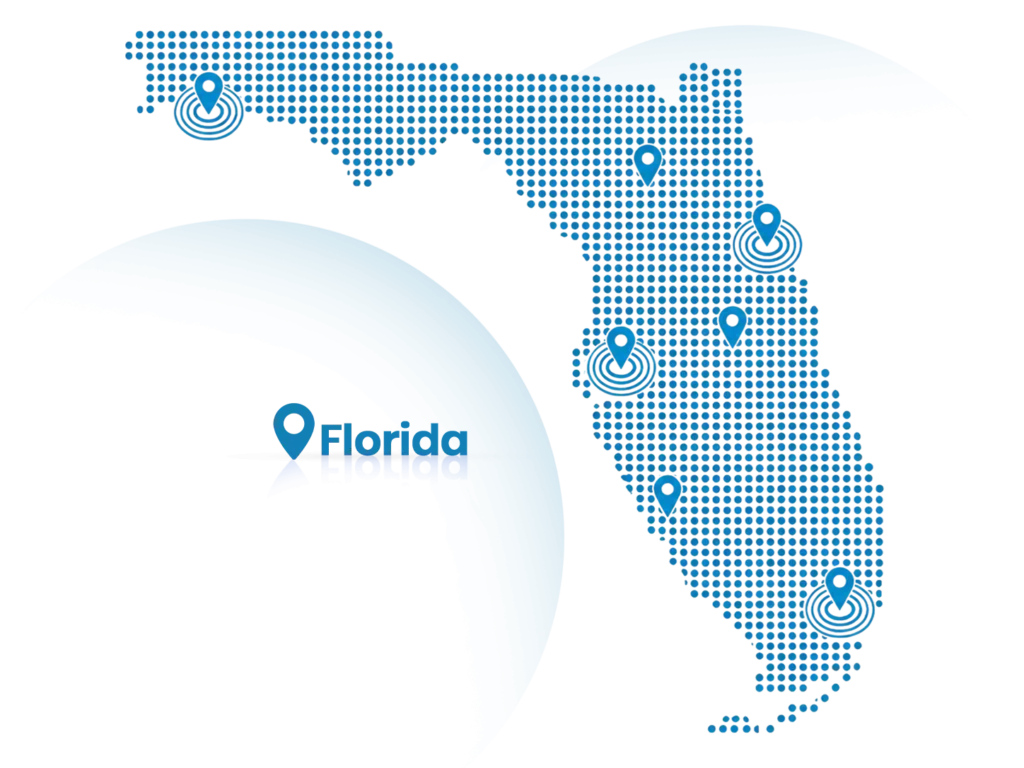

High volume healthcare organizations can benefit from structured claim tracking, specialty billing workflows, and accounts receivable management.

A major Upstate healthcare market requires organized billing workflows capable of supporting multiple specialties, providers, and payer relationships.

Columbia's healthcare environment benefits from coordinated billing, payment posting, denial follow up, and reporting across complex provider operations.

A rapidly developing coastal market can require flexible billing workflows for practices serving changing patient volumes and diverse insurance coverage.

Growing practices can use centralized eligibility, claims, denial management, and receivable workflows to maintain financial visibility during expansion.

Multi-specialty practices can benefit from standardized billing controls that maintain consistency across providers, payers, procedures, and locations.

Upstate practices can strengthen revenue cycle organization through eligibility verification, coding review, electronic submission, and A/R follow up.
Providers serving both growing and rural communities can benefit from consistent billing controls and management across commercial, Medicare, and Medicaid claims.
Pee Dee practices can use coordinated billing operations to manage claim submission, payer responses, payment posting, and unresolved balances.
Expanding healthcare activity makes organized revenue cycle processes useful for medical practices managing increasing encounter volumes and payer complexity.
Coastal providers can use disciplined billing workflows to maintain claim visibility across commercial insurance, Medicare, Medicaid, and patient balances.
Providers serving rural populations can benefit from centralized billing expertise that supports claims, denials, payments, and accounts receivable follow up.
Billing operations can help practices maintain financial consistency across primary care, specialty services, and payer specific administrative requirements.
Growing healthcare organizations can use scalable billing workflows that support increasing volumes without losing visibility over denials and receivables.
Medical practices can coordinate eligibility, authorization, coding, claims, and payment workflows while adapting processes to their individual payer mix.