- +1 (773) 985-1869
- info@stream-rcm.com
- 14430 Ocean Point, El Paso, TX 79938
General surgery covers some of the most complex operative procedures in medicine, laparoscopic cholecystectomies, hernia repairs, bowel resections, and beyond. Mismatched modifiers, unbundling errors, and payer-specific edits can quietly drain your revenue cycle every month. Stream RCM delivers specialized general surgery billing services that protect your collections and reduce denials.












Behind every successful general surgery billing practice is a billing team that truly understands the specialty. We give you access to significant numbers of certified surgical coders who know general surgery from top to bottom. We integrate smoothly with your EHR platforms and have mastered surgery-specific ICD-10, CPT, and HCPCS coding. Our coders accurately capture pre-operative and post-operative services and use modifiers correctly to prevent costly bundling denials. We maintain strict HIPAA compliance and hold ISO 27001 certification, so your data is always secure. Our comprehensive RCM services follow CPT and CMS rules without exception. As an experienced general surgery billing company, we recover your accounts receivable in an average of 24 days, which keeps your cash flow strong and reliable. Many practices reduce their billing costs by 25% after partnering with us. With RCM experience, we bring expertise that is unmatchable, and we provide claim status reporting daily, weekly, and monthly for complete transparency.
General surgery is not a single category, it branches into a wide range of operative disciplines, each with its own CPT structure, modifier rules, and payer edits. We bring deep familiarity across all of them.
We manage all laparoscopic procedure codes including converted open surgery billing, assistant surgeon claims, and multiple procedure modifiers to prevent unbundling flags during adjudication.

Inguinal, femoral, umbilical, and incisional hernia repair claims are submitted with precise mesh documentation, laterality modifiers, and prior authorization tracking to protect your reimbursement rate.

From colonoscopy-to-colectomy billing transitions to ostomy reversal claims, we document staged procedures correctly and apply appropriate sequence coding to support medical necessity reviews by payers.

Lumpectomy, mastectomy, sentinel node biopsies, and reconstruction-linked billing require coordinated coding across surgical and pathology services, which our team handles with structured claim sequencing.

Debridement, skin grafting, and complex wound closure billing demands detailed documentation of wound size, depth, and tissue type. We translate operative notes into billable encounters that payers accept on first submission.

From first patient encounter to final reimbursement, Stream RCM manages every step of your surgical revenue cycle with precision and surgical accountability.
We verify patient benefits and coverage limits before surgery begins. This eliminates post-service eligibility denials that quietly erode your monthly collections, so that there will be no lost revenue from preventable eligibility mistakes.
We obtain pre-authorization for both elective and urgent procedures proactively. Payer-specific clinical documentation is submitted in advance to prevent unnecessary delays in surgery scheduling and downstream reimbursement.
Every billable service is captured accurately by us from operative reports, including surgical procedures, assistant surgeon fees, and post-operative visits. This prevents revenue leakage at the source before claims ever leave your practice.
Clean claims are submitted within 24 to 72 hours of service. We make sure real-time eligibility checks and payer-specific edits are applied before transmission. We significantly reduce first-touch rejections and speeding up your payment cycles.
Our denial resolution team appeals clinical necessity rejections, modifier disputes, and bundling denials. Each appeal includes detailed operative note documentation and supporting medical literature to boost recovery on every denied claim.
EOB and ERA reconciliation is completed daily. We perform contractual adjustment analysis to identify underpayments that would otherwise go unnoticed in high-volume surgical practices. We make sure you get your revenue on time.
Discover how we elevate general surgery billing accuracy and practice collections.
When you handle surgical billing in-house, the real cost is not just salary. It’s the revenue left uncollected, the denials not appealed, and the coding errors that accumulate quietly month after month. Here is how we change that picture:
| Area | In-House | Outsource Surgical Billing |
|---|---|---|
| Claim Denials | 15–19% of claims get denied, which is typical for most practices. | We keep denial rates under 6.5% by actively managing every claim before it goes out. |
| CPT Code Updates | Your staff must retrain each year. Missed updates lead to rejected claims. | We load all 270 new 2025 CPT codes before January 1. You see zero denial from code changes. |
| Modifier Use | Modifier 59 and 80 are often applied wrong, which triggers denials. | We use documentation to support every modifier and check each claim before submission. |
| AR Follow-Up | Unpaid claims often sit for 60 to 90 days or more. Some lapse past filing deadlines. | We follow a structured plan and keep average AR days under 30. Nothing gets abandoned. |
| Audit Risk | High risk, especially for high-value codes like 44147 and open-to-lap conversions. | We run internal audits every quarter and keep compliance documentation for every claim. |
Below is the full range of general surgery procedures we code and bill by category, organized by body system and code range for easy reference.
Bowel resections and small intestine repairs are common. We perform high-value procedures regularly in general surgery. Correct coding prevents major revenue loss from bundling errors.
Cholecystectomies are among the most frequently performed general surgery procedures nationwide. We do accurate coding for gallbladder removal and related services that protects your largest revenue stream.
Appendectomies are extremely common, especially in emergency general surgery settings. High volume means even small coding errors multiply into significant lost revenue over time, but we protect it for you.
Often overlooked, wound debridement is billed frequently and often coded incorrectly. We handle proper coding procedures for depth, surface area, and lesions is essential for revenue integrity..
Gastric procedures including hernia repairs and bariatric surgeries are common and carry significant reimbursement value. But our team does accurate coding to ensure you capture every billable service.
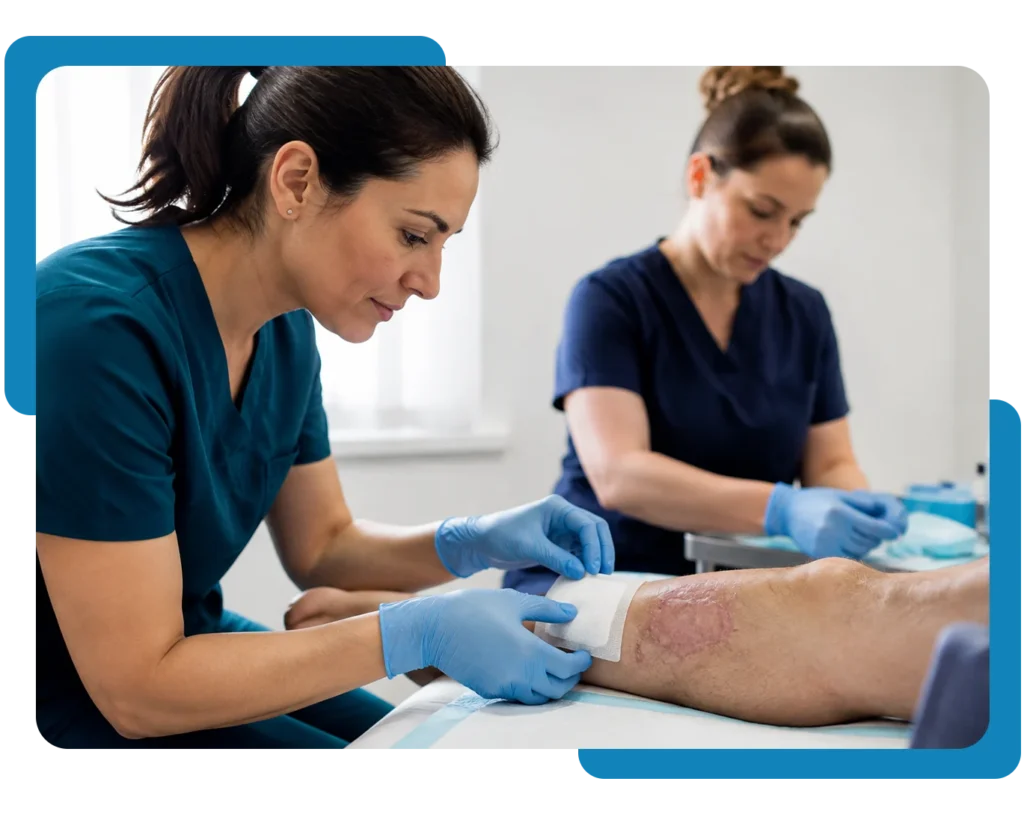
Wound care and skin grafting procedures are among the highest-value and most frequently miscoded services in general surgery. The 2025 CPT update introduced new codes 15011–15018 for cell suspension grafts and spray-on applications, a billing area where outdated coding costs practices real money every week.
Stream RCM built a dedicated wound billing protocol that begins with wound measurement extraction from operative notes, maps to the correct square-centimeter billing threshold, documents graft donor and recipient sites separately, and coordinates with facility billing when applicable. When staged grafting sessions span multiple encounters, we track each authorization renewal and ensure every session is billed against the correct date-of-service record.
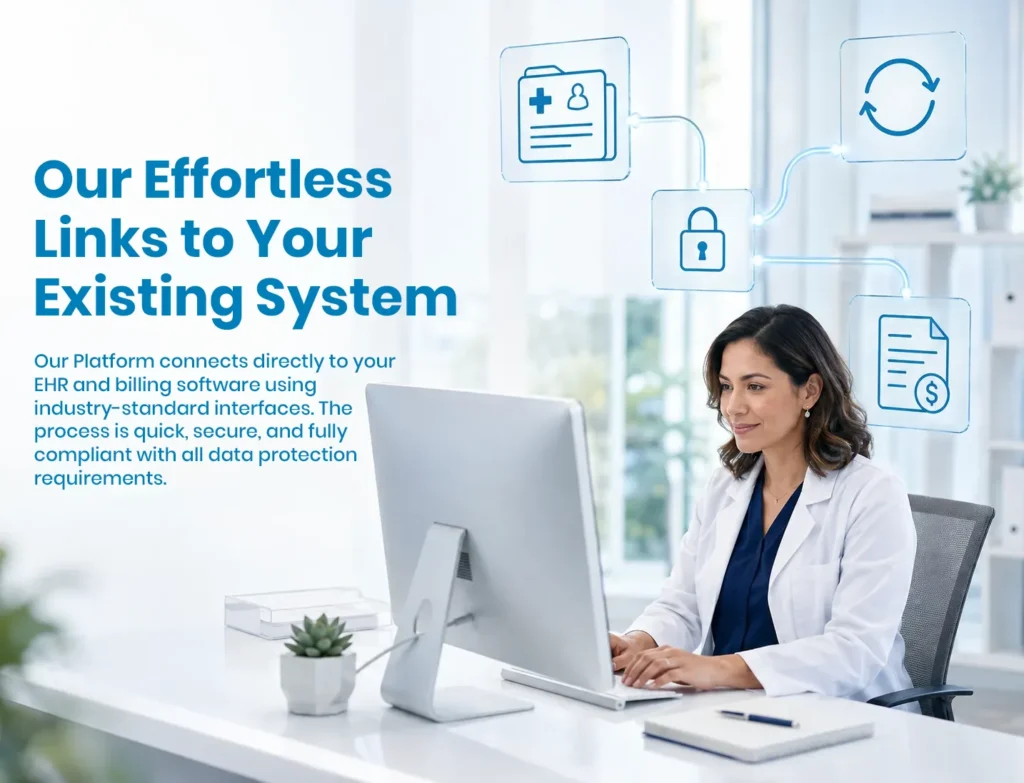
Our platform connects directly to your EHR and billing software using industry-standard interfaces. The process is quick, secure, and fully compliant with all data protection requirements.

Every year, surgical practices lose a significant amount of revenue every year due to hidden coding mistakes and claim errors. Many providers never realize these losses are preventable simply because no outside expert has examined their billing operations. Scheduling a professional review twice annually helps detect these issues before they impact your bottom line. To support surgical practices in protecting their revenue, Stream RCM a well-known general surgery billing company provides complimentary billing audit services. Reach out to us, and let our experts identify every weakness in your revenue cycle before problems escalate.
General surgery billing comes with unique challenges. We spot the issues, apply targeted solutions, and turn billing obstacles into steady revenue for your practice.
Wrong or missing modifiers cause payers to deny claims immediately, delaying payments ,creating unnecessary financial strain across surgical billing operations.
We review every surgical record carefully and apply correct modifiers consistently, so claims remain clean and payments keep flowing.
Claims left unaddressed for weeks turn into aging receivables that quietly choke your practice’s daily cash flow and overall stability.
We track aging reports daily and follow up with payers consistently, speeding up your revenue cycle and cash flow.
Incorrect CPT or ICD-10 codes lead to lower reimbursements and frequent claim rejections, creating avoidable revenue loss across every surgical service.
Our certified coders double-check every code against documentation carefully, ensuring accuracy and avoiding costly, repeated billing mistakes overall.
Claims get rejected upfront due to missing authorizations or incorrect patient data, delaying reimbursement and increasing administrative rework.
We verify eligibility, authorizations, and patient information thoroughly before filing, improving first-pass acceptance rates and reducing rejections.
Inconsistent follow-up and incomplete coding cause surgical revenue to slip away unnoticed, quietly reducing your practice’s financial performance.
We examine your billing process closely, identify missed charges, and monitor every payment to boost practice revenue.
Healthcare organizations trust Stream RCM because we understand the financial dynamics of surgical practices and protect their revenue with precision and compliance.

We identify overlooked revenue opportunities within clinical documentation and coding practices, increasing financial performance while maintaining strict regulatory adherence.
Our team holds advanced certifications and possesses extensive experience in general surgery coding, demonstrating deep knowledge of surgical procedures and payer requirements.
We deliver detailed analytics and transparent revenue cycle reports, providing your surgical practice with complete visibility into every financial transaction.
We submit accurate claims and perform diligent follow-up on outstanding accounts, trivializing payment delays and significantly improving reimbursement turnaround times.
Onboarding is structured to complete within 14 business days. Active claims remain in motion throughout, we don’t pause your revenue cycle during transition. Most clients submit their first, and we processed claims within week two.
Yes, and this is one of the highest-risk coding scenarios in general surgery. Our protocol addresses CPT selection for conversions (e.g., 44950 to 44960), modifier documentation, and operative note language requirements to prevent payer challenges on these complex claims.
The 2025 AMA update deleted 112 CPT codes, including the entire 49203–49205 tumor excision family. We transitioned all clients to the replacement 49186–49190 range and updated wound grafting codes to the new 15011–15018 series before January 1st, no disrupted claims.
Assistant surgeon claims (modifiers 80, 81, 82, AS) are coordinated with primary surgeon submissions. We verify that operative notes document assistant involvement, confirm payer eligibility for co-surgeon billing, and submit claims in the correct sequence to avoid duplicate claim flags.
Our onboarding includes an AR audit of pre-transition aging claims. Recoverable denials are queued for appeal. In our experience, 55%–70% of aging balances under 180 days are collectible through structured appeals. The rest is identified, categorized, and documented for write-off decisions.

General surgery billing in today’s healthcare demands precision, strict compliance, and modern tools. Our expert solutions in general surgery is to help your practice collect more revenue, reduce claim denials, and stay fully compliant. Let us handle the complexity you face everyday.